Is pink Himalayan or sea salt healthier than table salt?
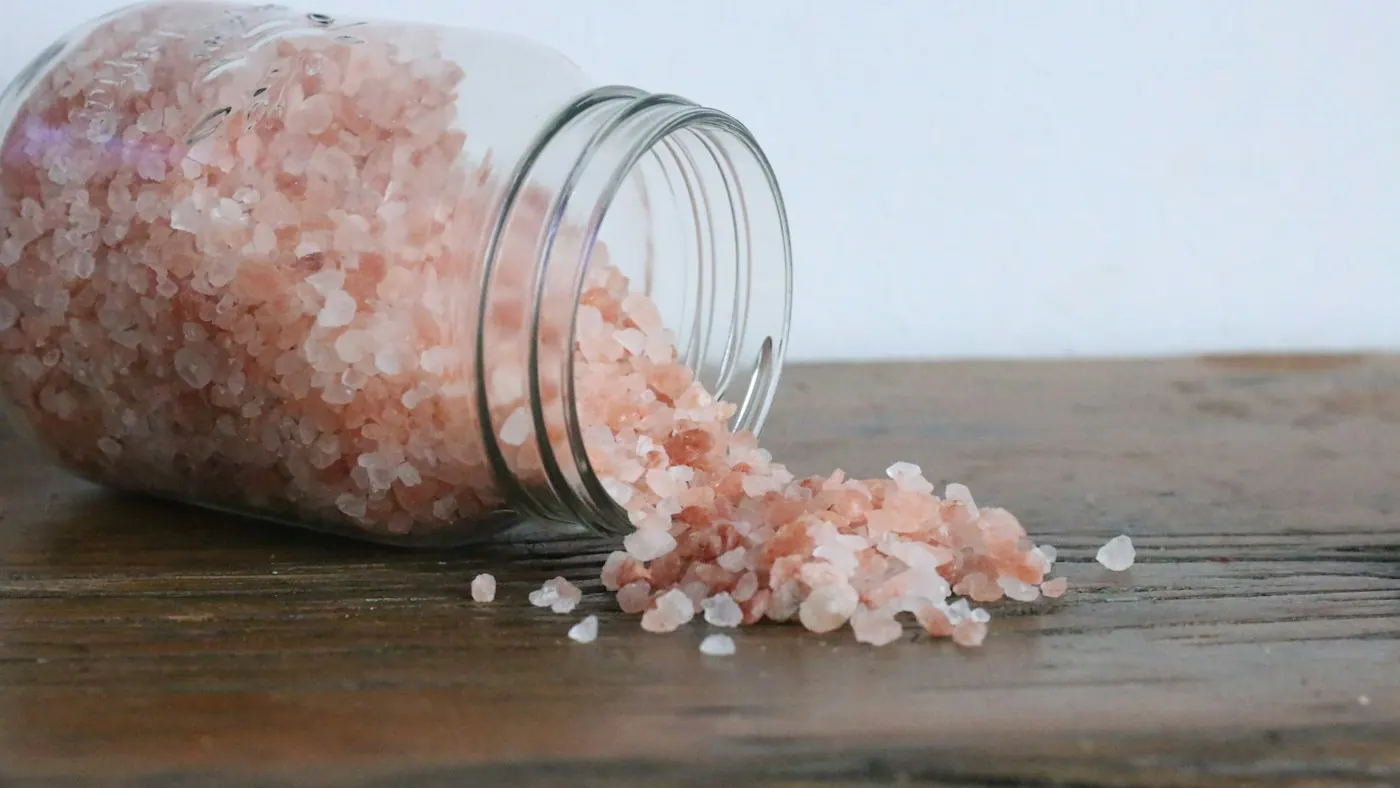
No. Pink and sea salt are basically the same as table salt. The extra minerals are too tiny to help.
Pink and sea salts are still almost all sodium chloride. Their extra minerals are too small to matter, and what affects your health is how much salt you eat. A 2020 lab study tested 31 pink salts sold in Australia. They did contain small amounts of minerals like calcium, potassium and iron, but you would need more than 30 g a day (about 6 teaspoons) to get a useful amount, which is six times WHO's salt limit. Gram for gram, the pink salts had only a little less sodium than table salt, and one sample had more lead than the legal limit. Sea salts taste just as salty for the same amount of sodium. What does make a difference is eating less salt: in 34 trials, cutting about 4.4 g of salt a day lowered blood pressure. Table salt is often iodized, which protects against iodine deficiency; pink and sea salts often aren't, so check the label. Sea salt isn't purer either: in a test of 39 salt brands from around the world, sea salts had a median of 82 tiny plastic particles per kg, against 14 for rock salts, and the one reported test of pink Himalayan salt found 367 per kg. That adds up to a few hundred to a few thousand particles a year, a small share of what people take in from other sources, and no study has shown what it does to health.
Who this applies to: Healthy adults choosing a salt for cooking and the table. If you have high blood pressure, kidney disease or heart failure, follow your doctor's advice on salt. Salt substitutes are a separate question.
Moderate evidenceLab tests of retail salts show the mineral content is tiny, and a large review of randomized trials shows cutting salt lowers blood pressure. No trial has compared pink salt with table salt for health outcomes, so the comparison itself rests on lab data.
Eat less salt overall, whatever kind you use
In 34 trials, eating about 4.4 g less salt a day lowered blood pressure, especially in people who already had high blood pressure.
Strong evidence · He et al. 2013 Free full textKeep to under 5 g of salt a day (about a teaspoon)
That's WHO's limit for adults. Most people eat about double that, and too much sodium is linked to heart disease and stroke.
Strong evidence · World Health Organization 2023, Ha 2014 Free full textFor the salt you add at home, choose iodized salt
Iodized table salt has greatly cut iodine deficiency, which harms the thyroid and children's brain development.
Some evidence · Ha 2014 Free full text, Zimmermann & Boelaert 2015
What are the key numbers?
Which studies is this answer based on?
- Fayet-Moore, F., Wibisono, C., Carr, P., Duve, E., Petocz, P., Lancaster, G., McMillan, J., Marshall, S., & Blumfield, M. (2020). An analysis of the mineral composition of pink salt available in Australia. Foods, 9, 1490. doi:10.3390/foods9101490 · Free full text
What does this mean for you?
- The pink colour comes from trace minerals, but they make up a very small part of the salt. Your body treats pink salt almost the same as table salt.
- Gram for gram, pink salt had only a little less sodium than table salt (about 39% vs 43% by weight).
- Switching to pink or sea salt can mean losing iodine, since table salt is often iodized and pink and sea salts often aren't, so check the label. Iodine matters for the thyroid and for children's brain development.
- Pink and sea salts can carry tiny bits of plastic (microplastics) from polluted seawater and processing. Sea salt tends to have the most and rock salt the least. The amounts eaten this way are small, and whether they harm people isn't known yet, so it's a reason not to pay extra for 'purity', not a reason to panic.
What did the studies find?
- Fayet-Moore 2020: 31 pink salts from Australian shops; average sodium about 394,700 mg/kg vs about 427,600 mg/kg in iodized table salt. More than 30 g a day would be needed for a meaningful mineral intake; one sample exceeded the lead limit.
- He 2013 (Cochrane review, 34 trials, 3,230 people): cutting salt by about 4.4 g a day lowered blood pressure by 4.18/2.06 mm Hg on average, and 5.39/2.82 mm Hg in people with high blood pressure.
- WHO 2023: average intake is about 10.8 g of salt a day, more than double the under-5 g limit; too much sodium is linked to an estimated 1.89 million deaths a year.
- Drake 2011: 38 sea salts differed in minerals and flavour, and a few had 30% less sodium by weight, but at equal sodium they tasted just as salty.
- Gao 2015: a rat study often used to suggest special salts are healthier; it compared roasted and plain sea salt in rats, not pink salt and table salt in people.
- Kim 2018 (39 salt brands from 21 countries and regions): the median microplastic count was 82 particles per kg in sea salt, 245 in lake salt and 14 in rock salt; sea salt had significantly more than rock salt. An average adult would take in about 2,000 particles a year from salt, out of an estimated 32,000 from all sources.
- Peixoto 2019 (review): microplastics were found in salts across many studies; one test of Himalayan salt found 367 particles per kg. The authors say more research is needed to understand any health effects.
How was the main study done?
Main evidence: Fayet-Moore et al. (2020), Foods
- Design
- Laboratory analysis of retail pink salts
- Sample
- 31 pink salt samples and 1 iodized table salt
- Who was studied
- Salts sold in Australian shops (no people studied)
- Duration
- Single analysis
- Comparison
- Pink salt vs iodized white table salt
- Who paid for it
- Nutrition Research Australia (independent research company; self-funded this project)
What does the rest of the evidence say?
This sets the bottom line.
Other research
What should you do?
- Use less salt, whatever kind you buy.
- Try to stay under about a teaspoon (5 g) of salt a day.
- For the salt you do use at home, choose iodized.
What are the main takeaways?
- Pink and sea salt are still almost all sodium chloride.
- The minerals are too small to matter.
- Eating less salt is what lowers blood pressure.
What are the limits of this evidence?
- No trial has compared pink salt with table salt for health outcomes in people.
- The main mineral study tested salts sold in one country; other brands may differ.
- The iodine point comes from reviews on iodized salt, not from testing pink salts for iodine.
- Microplastic counts vary widely between brands and labs, the methods can't see the smallest particles, and no study has tested the health effects of microplastics from salt in people.
Educational summary, not medical advice. Talk to a clinician about your own health.