Are honey, agave and coconut sugar healthier than white sugar?
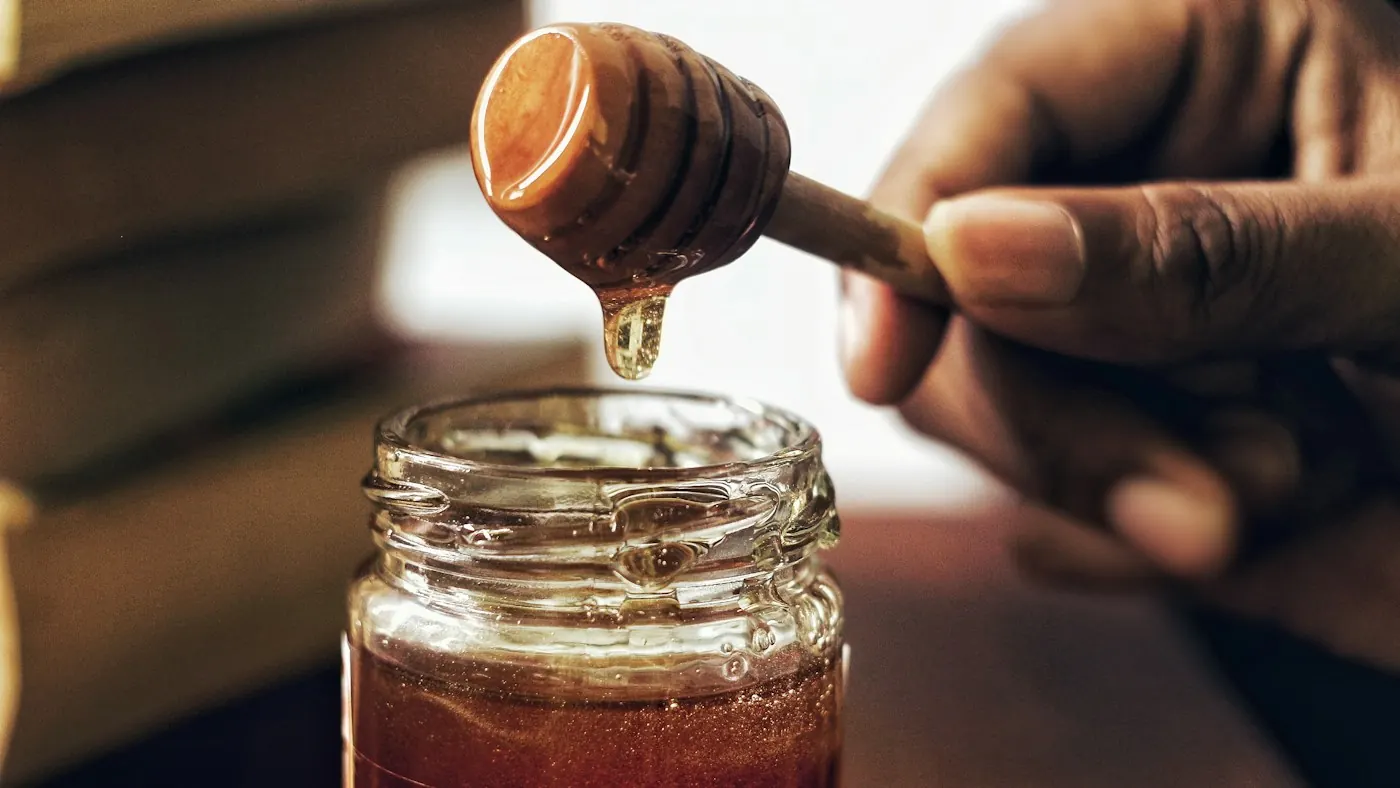
Not really. Honey, agave and coconut sugar are still sugar. Your body handles them much like white sugar.
Honey, agave, maple syrup and coconut sugar act much like white sugar in your body. WHO counts them all as free sugars to limit. 'Natural' sweeteners are still mostly sugar. In a 2015 trial, 55 adults ate 50 g a day of honey, table sugar or high-fructose corn syrup for 2 weeks each; all three had the same effects on blood sugar, insulin and blood fats, and all three raised triglycerides. The World Health Organization counts the sugars in honey and syrups as 'free sugars', the same as sugar you spoon in, and advises keeping them under 10% of your daily energy. Agave is sold as 'low GI' because it is mostly fructose, but large amounts of fructose raise liver fat and blood fats. A 2023 review found small benefits from honey on blood sugar and cholesterol, but the evidence was low certainty. We found no good studies on coconut sugar; it is still a sugar you add to food.
Who this applies to: Healthy adults choosing a sweetener. If you have diabetes or prediabetes, talk to your doctor or dietitian about sugar in your diet. Honey should never be given to babies under 1 year old.
Moderate evidenceA randomized crossover trial comparing honey head-to-head with sugar, a WHO guideline built on systematic reviews, and a large umbrella review on sugar and health. The honey trial was short (2 weeks per sugar) and there are few trials of agave, maple or coconut sugar.
Cut back on all added sugar, and count honey, syrups and coconut sugar as sugar
WHO treats the sugars in honey and syrups the same as sugar you add yourself, and in a trial honey had the same effects as table sugar.
Strong evidence · World Health Organization 2015, Raatz et al. 2015 Free full textKeep added and free sugars under about 25 g (6 teaspoons) a day
WHO advises under 10% of daily energy and ideally under 5%; a large BMJ review suggests under 25 g a day.
Some evidence · World Health Organization 2015, Huang et al. 2023 Free full textSwap sugary drinks for water or unsweetened drinks
Sugary drinks were linked to weight gain, heart disease and earlier death in the BMJ review.
Some evidence · Huang et al. 2023 Free full text
What are the key numbers?
Which studies is this answer based on?
- Raatz, S. K., Johnson, L. K., & Picklo, M. J. (2015). Consumption of honey, sucrose, and high-fructose corn syrup produces similar metabolic effects in glucose-tolerant and -intolerant individuals. Journal of Nutrition, 145, 2265–2272. doi:10.3945/jn.115.218016 · Free full text
What does this mean for you?
- Honey and syrups do contain tiny amounts of other compounds, but they are mostly glucose and fructose, the same building blocks as white sugar.
- A low glycemic index doesn't mean healthy. Agave scores low because it is mostly fructose, and too much fructose is linked to fatty liver and high blood fats.
- The small benefits seen in some honey studies came from low-quality trials, often adding honey to the diet rather than swapping it for the same amount of sugar.
What did the studies find?
- Raatz 2015: 55 adults (28 with normal and 27 with impaired glucose tolerance), crossover; 50 g/day of carbohydrate from honey, sucrose or HFCS for 2 weeks each had similar effects on glucose, insulin, lipids and inflammation; triglycerides rose with all three. Part-funded by the National Honey Board, which had no role in the study.
- WHO 2015: free sugars below 10% of energy (strong recommendation) and ideally below 5% (conditional); free sugars include sugars in honey, syrups and fruit juices.
- Huang 2023 (BMJ umbrella review, 73 meta-analyses): high sugar intake was linked to harmful endocrine, heart, cancer and other outcomes; suggests under 25 g/day of free or added sugar.
- Foster-Powell 2002: average glycemic index of 11 honeys was 55, table sugar 68, and high-fructose agave nectar about 10-11.
- Ahmed 2023 (18 trials, 1,105 people): honey lowered fasting glucose by 0.20 mmol/L on average, rated low certainty; median dose 40 g/day for 8 weeks.
How was the main study done?
Main evidence: Raatz et al. (2015), Journal of Nutrition
- Design
- Randomized crossover trial
- Sample
- 55 adults
- Who was studied
- Adults with normal (28) or impaired (27) glucose tolerance
- Duration
- 2 weeks per sweetener, with 2-4 week breaks between
- Comparison
- Honey vs table sugar (sucrose) vs high-fructose corn syrup, 50 g carbohydrate a day
- Who paid for it
- National Honey Board and USDA Agricultural Research Service; sponsor had no role in design or analysis
What does the rest of the evidence say?
This sets the bottom line.
Randomized trial
What should you do?
- Cut back on all added sugar, including honey and syrups.
- Aim for under about 6 teaspoons of added sugar a day.
- Swap sugary drinks for water or unsweetened drinks.
What are the main takeaways?
- Honey and syrups are still sugar.
- WHO limits them the same as white sugar.
- Less sugar of any kind is what helps.
What are the limits of this evidence?
- The head-to-head honey trial lasted only 2 weeks per sugar.
- Few trials have tested agave, maple syrup or coconut sugar directly.
- Most honey trials are small and short, and many weren't compared with the same amount of sugar.
Educational summary, not medical advice. Talk to a clinician about your own health.