Should you take a painkiller for a hangover?
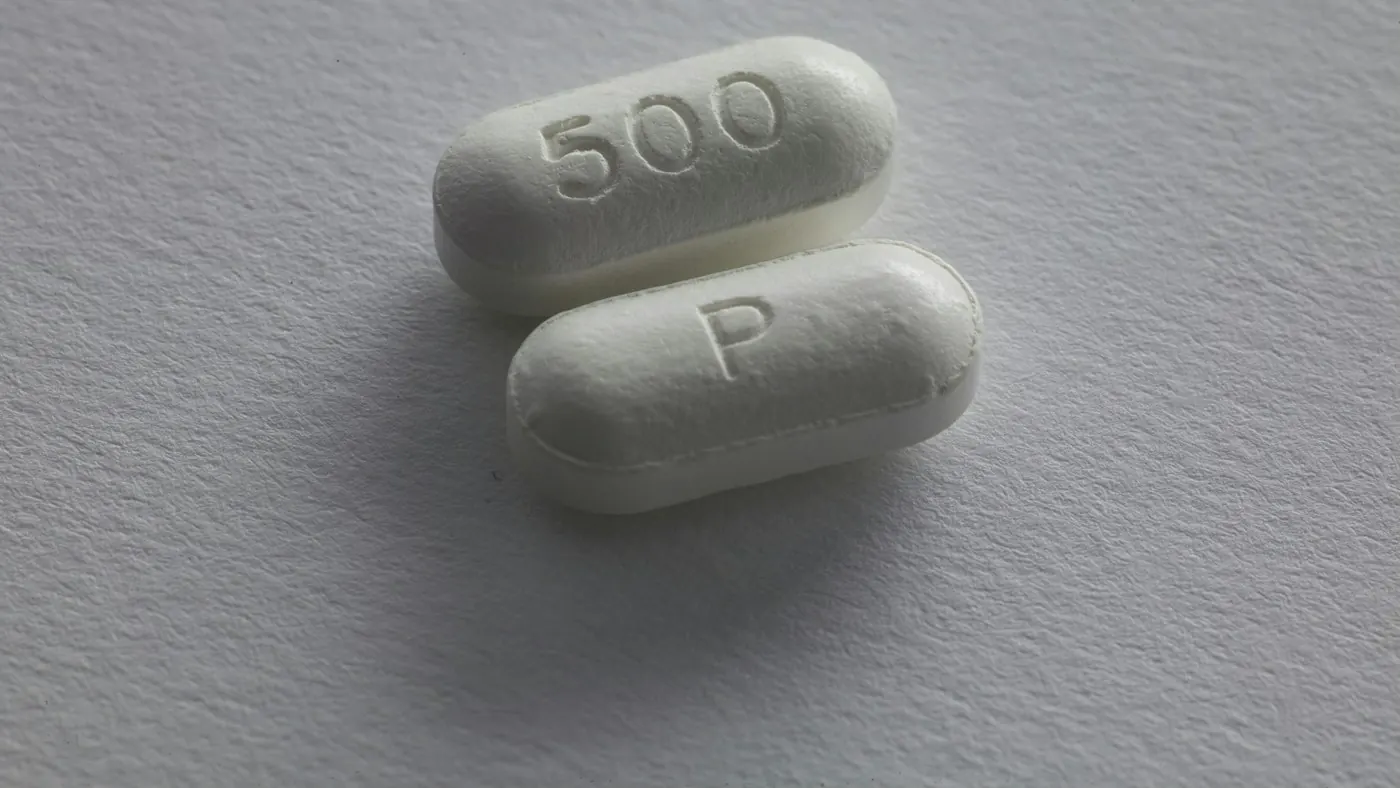
Painkillers haven't been properly tested for hangovers. Some may ease a headache, but none will cure a hangover, and some carry extra risks with alcohol.
Common painkillers like paracetamol and aspirin have never been tested for hangovers in a randomized trial. One small 1983 trial of a related anti-inflammatory drug eased hangover headache, but the evidence is very low certainty, and aspirin and paracetamol both come with alcohol-related cautions. A 2022 review of every placebo-controlled hangover trial (21 trials, 386 people) found that paracetamol (acetaminophen) and aspirin have never been tested for hangover in a randomized trial, and it rated every remedy it found as very low certainty. The best painkiller evidence is a 1983 trial in 30 people, where tolfenamic acid, an anti-inflammatory drug in the same family as ibuprofen, eased headache and nausea but not tiredness. A tiny 2020 pilot of a naproxen combination analysed only 5 of 13 people. There are also cautions. In a small study, aspirin taken an hour before drinking raised blood alcohol. And serious liver injury after paracetamol has been reported in regular heavy drinkers, although trials of short-term use in heavy drinkers found no liver damage. This is not medical advice: anyone with liver disease or stomach ulcers, or who drinks heavily or regularly, should ask a pharmacist or doctor before taking any painkiller.
Who this applies to: Healthy adults after an occasional night of drinking. If you have liver disease, stomach ulcers or kidney problems, take other medicines, or drink heavily or regularly, ask a pharmacist or doctor before taking any painkiller. Always follow the label. Not medical advice.
Limited evidenceA large systematic review rated all hangover-treatment evidence as very low certainty, and the painkiller evidence comes from one small old trial and one tiny pilot. The cautions about aspirin and paracetamol rest on a 5-person study, case reports and two trials of short-term paracetamol use in heavy drinkers.
What actually works: drink less, or pace yourself; eat a meal before and while you drink; sleep it off and give it time. See the evidence →
What are the key numbers?
Which studies is this answer based on?
- Roberts, E., Smith, R., Hotopf, M., & Drummond, C. (2022). The efficacy and tolerability of pharmacologically active interventions for alcohol-induced hangover symptomatology: a systematic review of the evidence from randomised placebo-controlled trials. Addiction. doi:10.1111/add.15786 · Free full text
What does this mean for you?
- People often reach for a painkiller for a hangover headache, but the trials to show which ones help, and how much, haven't been done.
- Anti-inflammatory painkillers (NSAIDs) have the most evidence, but it's one small trial from 1983 and a tiny pilot. NSAIDs also have their own cautions, for example for people with stomach ulcers or kidney problems.
- Aspirin taken before drinking raised blood alcohol in a small study, which is the opposite of what you want.
- The paracetamol and liver question is debated. Case reports describe serious liver injury in regular heavy drinkers, some at close to normal amounts, while two trials of a few days' use in heavy drinkers found no liver damage. Because the risk falls on heavy and regular drinkers, they should get advice before using it.
- This page is not medical advice. If you have health conditions or take other medicines, ask a pharmacist or doctor.
What did the studies find?
- Roberts 2022 (systematic review): 21 placebo-controlled trials, 386 people. Paracetamol and aspirin had never been tested in a hangover trial. Tolfenamic acid was one of seven remedies with some benefit, but all the evidence was very low certainty. A trial of loxoprofen, another NSAID, didn't report results the review could use.
- Kaivola 1983: 30 volunteers, double-blind crossover. Tolfenamic acid taken before drinking and at bedtime beat placebo on overall hangover symptoms and headache; headache was 85% lower, but tiredness didn't change.
- Verster 2020: a pilot trial of SJP-001 (naproxen plus an antihistamine) enrolled 13 people but analysed only 5. The combination scored lower than placebo; naproxen alone didn't.
- Roine 1990: in 5 men, aspirin taken an hour before a small drink raised peak blood alcohol from 5.44 to 7.56 mmol/L and total alcohol exposure by 26%.
- Zimmerman 1995: 67 regular drinkers who had liver injury after taking paracetamol for pain; 40% said they took no more than the recommended daily amount, and almost 20% died. This was a case series with no comparison group.
- Prescott 2000 (review): argues the risk at normal doses rests mainly on case reports, many of which involved overdoses.
- Kuffner 2001: in 201 alcoholic patients, the maximum daily dose of paracetamol for 2 days caused no liver injury compared with placebo.
- Dart 2010: in 142 heavy drinkers, the maximum daily dose for 5 days raised a liver enzyme slightly (48 to 62 vs 47 to 49 on placebo), with no difference in the highest values.
How was the main study done?
Main evidence: Roberts et al. (2022), Addiction
- Design
- Systematic review of randomized placebo-controlled trials, rated with the GRADE system
- Sample
- 21 trials, 386 people, 23 different remedies
- Who was studied
- Healthy adults who drank alcohol in a test or in daily life
- Duration
- Single drinking sessions, with symptoms checked the next morning
- Comparison
- Each remedy vs a placebo
- Who paid for it
- No company funding
What does the rest of the evidence say?
This sets the bottom line.
Meta-analysis or systematic review
What should you do?
- Drink less, or pace yourself: it's the only proven way to avoid a hangover.
- Eat before and while you drink.
- Ask a pharmacist before taking any painkiller if you drink heavily, have liver disease or have stomach ulcers.
What are the main takeaways?
- No painkiller is proven to treat a hangover.
- Avoid aspirin before drinking.
- If you drink heavily or regularly, or have liver or stomach problems, ask a pharmacist or doctor before taking painkillers.
What are the limits of this evidence?
- The painkiller trials are small, old or both.
- The paracetamol liver evidence is mixed: case reports suggest harm, short trials don't.
- The aspirin study had only 5 people and used a small amount of alcohol.
Educational summary, not medical advice. Talk to a clinician about your own health.