Is fresh produce always more nutritious than frozen or canned?
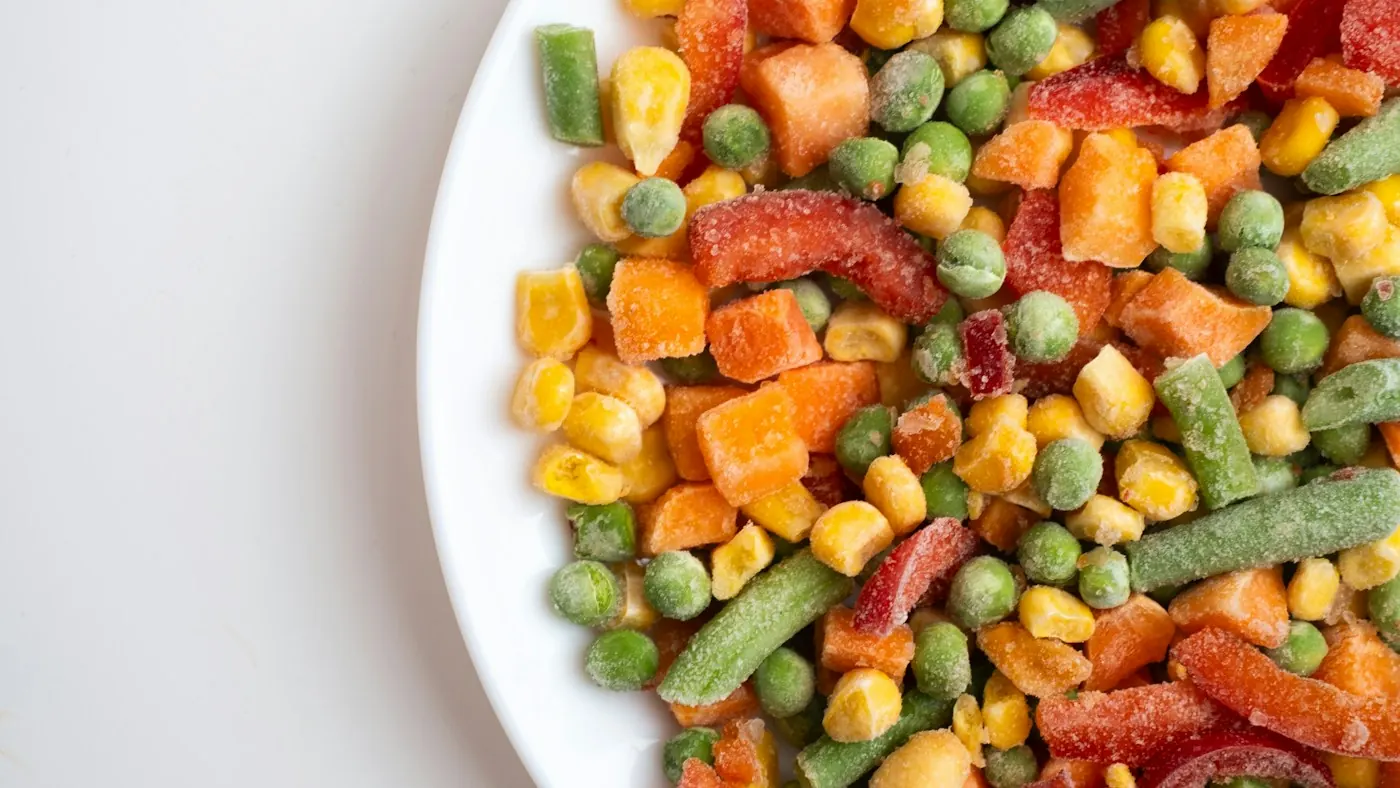
No. Frozen fruit and vegetables are about as healthy as fresh, and sometimes more, because fresh loses vitamins while it waits to be eaten.
Frozen fruit and vegetables are about as nutritious as fresh, and often more nutritious than fresh produce that has sat in your fridge for a few days. Fresh produce starts losing some vitamins as soon as it's picked. Frozen produce is usually blanched and frozen soon after harvest, which locks most nutrients in. In a 2015 study of 8 fruits and vegetables, frozen had about the same or more vitamin C, riboflavin and vitamin E than fresh kept in the fridge. A 2-year study found no difference in most comparisons, and when there was one, frozen usually beat fresh that had been stored for 5 days. Beta-carotene is one exception: it dropped in some frozen vegetables. Canned produce keeps minerals and fiber well but can lose some vitamin C in the heat, and some canned foods add salt. Several of these studies were paid for, or helped, by frozen or canned food companies, which is noted on each paper below.
Who this applies to: Plain frozen or canned fruit and vegetables compared with fresh from the shop. It doesn't cover frozen meals, fried frozen foods, or fruit canned in heavy syrup.
Moderate evidenceSeveral lab studies measuring vitamins in the same foods kept in different ways, plus two reviews of older research, all point the same way. They measure nutrients, not health, and some were funded by frozen or canned food companies.
Keep frozen fruit and vegetables on hand and use them freely
Frozen produce kept vitamins about as well as fresh in lab tests, and often better than fresh stored for a few days.
Some evidence · Bouzari et al. 2015, Li et al. 2017Keep fresh produce cold and eat it within a few days
Fresh produce keeps losing vitamin C after you buy it, much faster at room temperature than in the fridge.
Some evidence · Rickman et al. (2007a), Journal of the Science of Food and Agriculture, Howard et al. 1999When you buy canned, pick no-salt-added vegetables
Canned produce keeps minerals and fiber well, but some canned foods have added salt; no-salt-added versions have about the same sodium as fresh.
Some evidence · Rickman et al. (2007b), Journal of the Science of Food and Agriculture
What are the key numbers?
Which studies is this answer based on?
- Bouzari, A., Holstege, D., & Barrett, D. M. (2015). Vitamin retention in eight fruits and vegetables: A comparison of refrigerated and frozen storage. Journal of Agricultural and Food Chemistry. doi:10.1021/jf5058793
What does this mean for you?
- 'Fresh' in the shop may already be days or weeks from the farm, and it keeps losing vitamin C, especially if it's kept warm.
- Freezing causes a small loss at first (during blanching) and then a slow loss over months, but usually less than fresh produce loses sitting around.
- Canned produce keeps minerals and fiber but can lose some heat-sensitive vitamins, and salt or syrup may be added.
What did the studies find?
- Bouzari 2015: in 8 fruits and vegetables, vitamin C was the same in 5 and higher in frozen in 3; beta-carotene fell in frozen peas, carrots and spinach.
- Li 2017 (2 years): most comparisons of vitamin C, beta-carotene and folate showed no significant difference between fresh, fresh-stored (5 days in the fridge) and frozen; differences mostly favoured frozen. Funded by the Frozen Food Foundation, which picked the foods and nutrients.
- Rickman 2007 (review): fresh spinach at room temperature lost all its vitamin C in under 4 days; fresh peas lost 50% in a week; frozen items lost 20-50% of vitamin C over a year in the freezer.
- Howard 1999: fresh green beans lost over 90% of vitamin C after 16 days in the fridge; vitamin C stayed stable in frozen broccoli and green beans after blanching. Part-funded by Green Giant/Pillsbury.
- Favell 1998: frozen peas and broccoli matched typical shop-bought fresh for vitamin C. The author worked at Unilever Research.
How was the main study done?
Main evidence: Bouzari et al. (2015), Journal of Agricultural and Food Chemistry
- Design
- Laboratory comparison of fresh and frozen storage
- Sample
- 8 fruits and vegetables, tested at harvest and after storage
- Who was studied
- Produce grown and processed in California (no people studied)
- Duration
- Fresh stored up to 10 days in the fridge; frozen stored up to 90 days
- Comparison
- Fresh-refrigerated vs frozen
- Who paid for it
- Not stated in paper (authors declare no competing financial interest)
What does the rest of the evidence say?
This sets the bottom line.
Other research
What should you do?
- Keep frozen fruit and vegetables on hand.
- Eat fresh produce within a few days and keep it in the fridge.
- Pick canned vegetables with no added salt.
What are the main takeaways?
- Frozen is about as nutritious as fresh.
- Fresh produce loses vitamins the longer it sits.
- Eating more fruit and vegetables in any form is what counts.
What are the limits of this evidence?
- These studies measured vitamins in food, not health outcomes in people.
- Results varied a lot by food and nutrient; beta-carotene dropped in some frozen vegetables.
- Several studies were funded by, or done with, frozen or canned food companies.
Educational summary, not medical advice. Talk to a clinician about your own health.